


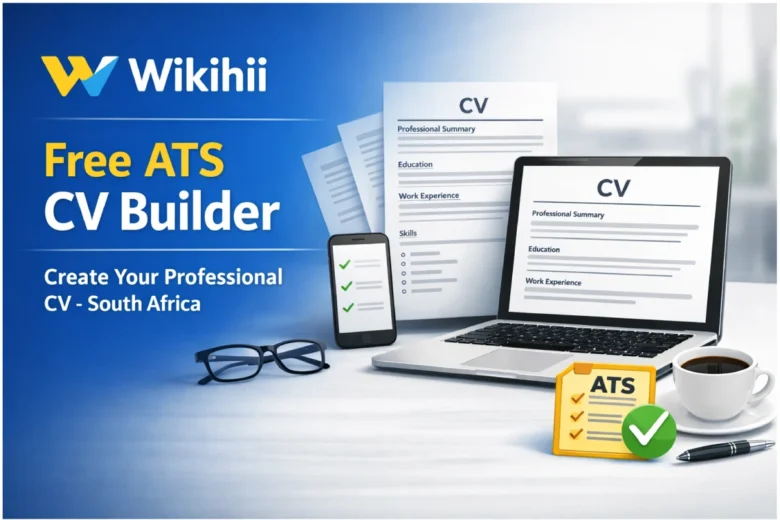
Wikihii Free ATS CV Builder Tool
Creating a professional CV is one of the most important steps when applying for jobs in South Africa. Many job seekers struggle with formatting, structure, and ensuring their CV passes Applicant Tracking Systems (ATS). That is why the Wikihii Free ATS CV Builder South Africa was created — to help you generate a clean, professional, and ATS-optimized CV within minutes.
Whether you are applying for DPSA vacancies, private sector jobs, internships, or learnerships, this tool is designed specifically for the South African job market.
You can explore more verified job opportunities and career resources on Wikihii South Africa career platform.
What the Wikihii CV Builder Offers
✔ Clean Professional Layout
The tool generates a simple, readable CV layout that works well for both private and public sector applications.
✔ ATS-Friendly Structure
No complex tables or graphics that confuse ATS systems. Just clear headings and structured sections.
✔ Designed for South African Applications
The CV builder follows common South African standards including:
- Personal Details
- Professional Summary
- Education
- Work Experience
- Skills
- References
✔ Suitable for:
- DPSA Vacancies
- Private Sector Jobs
- Learnership Applications
- Internship Applications
- Graduate Programmes
How to Use the Wikihii Free CV Builder
Step 1: Enter Your Personal Details
Include your full name, phone number, professional email address, and location.
Step 2: Add Education History
List your qualifications starting with the most recent. Include institution name and completion year.
Step 3: Add Work Experience
Clearly describe your duties and achievements. Use action words and measurable results where possible.
Step 4: List Relevant Skills
Include both technical and soft skills relevant to the job you are applying for.
Step 5: Download Your CV
Generate and download your CV in a clean, professional format ready for submission.
Wikihii Free ATS CV Builder – South Africa
Why an ATS-Optimized CV Matters in South Africa
1. Most Employers Use Screening Systems
Large companies, recruitment agencies, and even some government departments use ATS software to filter applications. If your CV is not properly structured, it may be rejected before a human recruiter even sees it.
2. Government and DPSA Applications
When applying for public sector jobs through the Department of Public Service and Administration (DPSA), your CV must clearly reflect qualifications, experience, and compliance with job requirements.
3. High Competition in the Job Market
With thousands of graduates entering the market every year, your CV must stand out while remaining professional and structured.
Common CV Mistakes South African Job Seekers Make
A Curriculum Vitae (CV) is one of the most important documents when applying for jobs in South Africa. It serves as your first impression to potential employers and can determine whether you get shortlisted or ignored. Unfortunately, many job seekers unknowingly make mistakes that reduce their chances of securing employment. Below are some of the most common CV mistakes South African job seekers make and how to avoid them.
1. Including Irrelevant Personal Information
Many applicants still include unnecessary personal details such as marital status, religion, or full home address. Most employers in South Africa only require basic information like your name, contact number, email address, and sometimes your location. Adding too much personal information can make your CV look outdated and unprofessional.
2. Using a Generic CV for Every Job Application
One of the biggest mistakes is sending the same CV to multiple employers without tailoring it to the specific job. Employers want to see skills and experience that match their job requirements. A customized CV increases your chances of passing recruitment screening systems and catching the recruiter’s attention.
3. Poor Formatting and Layout
A cluttered or difficult-to-read CV can quickly discourage employers. Common formatting mistakes include inconsistent fonts, lack of spacing, and overly long paragraphs. A professional CV should be clean, well-structured, and easy to scan within a few seconds.
4. Spelling and Grammar Errors
Spelling and grammatical mistakes create a negative impression and may suggest a lack of attention to detail. Many employers in South Africa consider this a red flag. Always proofread your CV carefully or use grammar-checking tools before submitting it.
5. Making the CV Too Long or Too Short
A CV that is too long may overwhelm recruiters, while one that is too short may fail to showcase your qualifications. Ideally, most job seekers should aim for a CV between one and three pages, depending on their level of experience.
6. Not Highlighting Achievements
Many applicants simply list job duties instead of showing measurable achievements. Employers are more interested in results, such as improvements you made, targets you achieved, or contributions you brought to previous workplaces.
7. Including Outdated or Incorrect Contact Information
Some job seekers forget to update their phone numbers or email addresses. This can lead to missed job opportunities. Always double-check that your contact details are correct and professional. Avoid using informal email addresses.
8. Lack of Keywords Relevant to the Job
Many companies use Applicant Tracking Systems (ATS) to filter CVs before they reach hiring managers. If your CV lacks relevant keywords from the job advertisement, it may never be seen by a recruiter. Carefully review the job posting and include relevant skills and qualifications.
9. Listing References Incorrectly
Some applicants include full reference details directly on the CV, which takes up unnecessary space. A common and accepted practice in South Africa is to simply write “References available upon request.”
10. Adding False or Exaggerated Information
Providing inaccurate information about qualifications or work experience can damage your credibility and may lead to disqualification if discovered. Employers often conduct background checks, making honesty extremely important.
TIP: Avoiding these common CV mistakes can significantly improve your chances of getting shortlisted for job opportunities in South Africa. A strong CV should be clear, accurate, tailored to the job, and professionally presented. Taking time to review and improve your CV can make a major difference in your job search success.
Create Your Professional Cover Letter in Minutes!
Generate a professional, ATS-friendly cover letter tailored to South African job applications with the Wikihii AI Cover Letter Generator. Perfect for DPSA jobs, internships, learnerships, and graduate positions.
Generate Your Cover Letter NowTips for Success When Applying for Jobs
Applying for jobs can be challenging and competitive, especially in today’s fast-changing employment market. Many job seekers submit multiple applications but struggle to secure interviews or job offers. Understanding the right strategies can greatly improve your chances of success. Below are important tips that can help you stand out and increase your opportunities when applying for jobs.
1. Understand the Job Requirements Carefully
Before applying, take time to read and understand the job advertisement. Pay attention to qualifications, skills, and experience required. Applying for jobs that match your abilities increases your chances of being shortlisted and saves time for both you and the employer.
2. Tailor Your CV for Each Application
Avoid sending the same CV to every employer. Customize your CV to highlight skills and experience that are relevant to the specific position. Employers are more likely to consider candidates who clearly show how they fit the role.
3. Write a Strong and Clear Cover Letter
A cover letter allows you to introduce yourself and explain why you are suitable for the job. Keep it professional, brief, and focused on how your skills can benefit the employer. A well-written cover letter can make your application more attractive.
4. Use Professional Contact Information
Always use a professional email address and ensure your phone number is correct and active. Employers may try to contact you for interviews or further communication, and missing these messages can cost you opportunities.
5. Highlight Your Achievements, Not Just Responsibilities
Employers want to see results. Instead of only listing tasks from previous jobs, include achievements such as targets met, improvements made, or contributions you brought to the organization.
6. Prepare Your Documents in Advance
Many job applications require supporting documents such as certificates, identification documents, and academic transcripts. Keeping these documents ready helps you apply quickly and prevents delays or incomplete applications.
7. Follow Application Instructions Carefully
Each job advertisement may have specific instructions such as required documents, subject lines for emails, or application deadlines. Failing to follow instructions can lead to automatic disqualification, even if you are qualified.
8. Apply Early Whenever Possible
Submitting your application early can increase your chances of being noticed before recruiters receive too many applications. Some employers review applications as they arrive and may close vacancies early.
9. Research the Company Before Applying
Understanding the company’s values, mission, and services helps you prepare a stronger application and perform better during interviews. It also shows employers that you are genuinely interested in working with them.
10. Stay Organized and Track Your Applications
Keep a record of jobs you have applied for, including company names, deadlines, and responses. This helps you prepare for interviews and avoid applying for the same job multiple times.
