


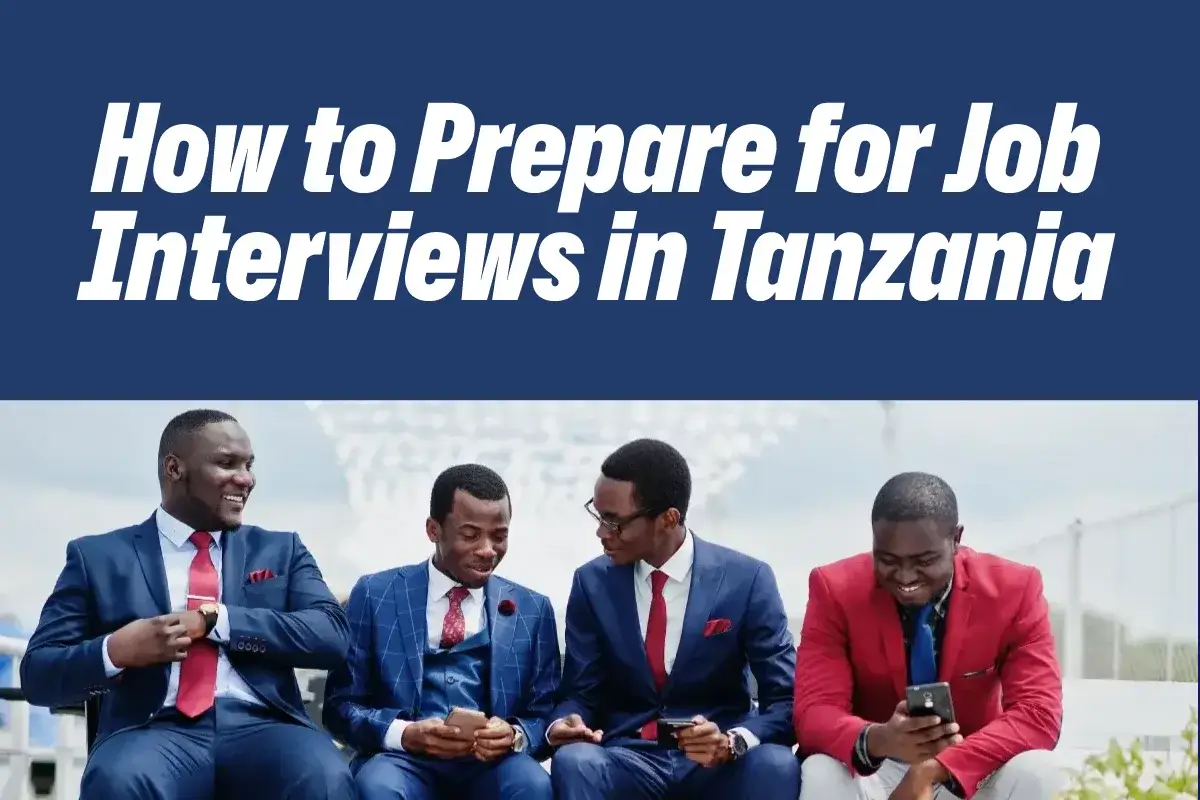
How to Prepare for Job Interviews in Tanzania
Preparing for a job interview in Tanzania requires more than just having a good CV. Whether you applied through a government recruitment system, a private company, an NGO, or an international organization, proper preparation significantly increases your chances of success.
This complete guide explains how to prepare for job interviews in Tanzania, what employers expect, and how to stand out professionally.
1. Understand the Job Description Clearly
Before attending the interview, carefully review the job advertisement and description.
Focus on:
- Required qualifications
- Key responsibilities
- Skills and experience needed
Most interview questions are based directly on the job description. If the role requires teamwork, leadership, or technical skills, prepare examples that demonstrate those abilities.
Tip: Match your answers to the employer’s needs.
2. Research the Organization
Employers in Tanzania expect candidates to know basic information about the institution.
Research:
- The organization’s mission and vision
- Services or products offered
- Recent projects or achievements
- Organizational structure
If it’s a government institution, understand its mandate. If it’s a private company, know its industry and competitors.
Showing knowledge about the organization demonstrates seriousness and interest.
3. Prepare Common Interview Questions
Although questions vary, some are frequently asked in Tanzania.
Common Questions:
- Tell us about yourself.
- Why do you want this job?
- What are your strengths and weaknesses?
- Why should we hire you?
- Where do you see yourself in five years?
Practice answering confidently and clearly. Avoid memorizing word-for-word answers—focus on understanding your key points.
4. Prepare Your Documents
Always carry original and photocopies of important documents:
- Academic certificates
- Professional certifications
- Updated CV
- National ID
- Birth certificate (if required)
Keep them organized in a professional folder.
Incomplete documentation can affect your chances, especially in government interviews.
5. Dress Professionally
First impressions matter.
For Men:
- Formal shirt and trousers
- Polished shoes
- Neat grooming
For Women:
- Formal dress, suit, or modest professional outfit
- Minimal accessories
- Clean and neat appearance
Avoid casual wear such as jeans, T-shirts, or sandals unless specifically stated.
6. Practice Good Communication Skills
Interviewers assess:
- Confidence
- Clarity
- Professional language
- Body language
Maintain eye contact, sit upright, and speak clearly. Avoid slang and unnecessary fillers like “umm” or “you know.”
If you do not understand a question, politely ask for clarification.
7. Be Ready for Technical or Practical Tests
Some interviews in Tanzania include:
- Written aptitude tests
- Practical demonstrations
- Computer-based assessments
Prepare by reviewing key concepts related to your field.
For example:
- Accountants should review basic accounting principles.
- Engineers should revise technical fundamentals.
- Administrative officers should understand office procedures.
8. Prepare Questions to Ask the Panel
At the end of the interview, you may be asked if you have questions.
Good questions include:
- What are the key performance expectations for this role?
- What does success look like in this position?
- What are the next steps in the recruitment process?
Avoid asking about salary immediately unless the interviewer brings it up.
9. Manage Time Properly
- Arrive at least 20–30 minutes early.
- Confirm the location a day before.
- Plan transport in advance to avoid delays.
Being late creates a negative first impression.
10. Stay Calm and Confident
It is normal to feel nervous, but confidence makes a strong difference.
Tips to stay calm:
- Take deep breaths before entering
- Think before answering
- Smile naturally
- Focus on communicating your value
Remember, you were invited because you meet the basic qualifications.
Common Interview Mistakes to Avoid
- Speaking negatively about previous employers
- Giving long, unfocused answers
- Interrupting the interviewer
- Showing lack of preparation
- Using a phone during the interview
Professional behavior matters as much as qualifications.
After the Interview
- Thank the panel politely
- Follow any instructions given
- Wait patiently for official communication
Avoid excessive follow-up messages unless appropriate.
Final Thoughts
Learning how to prepare for job interviews in Tanzania can significantly improve your chances of securing employment. Preparation involves understanding the job role, researching the organization, practicing answers, dressing professionally, and presenting yourself confidently.
Interviews are opportunities to demonstrate not just your qualifications, but also your attitude, professionalism, and readiness to contribute.
With proper preparation and confidence, you increase your chances of turning interview opportunities into successful job offers.