


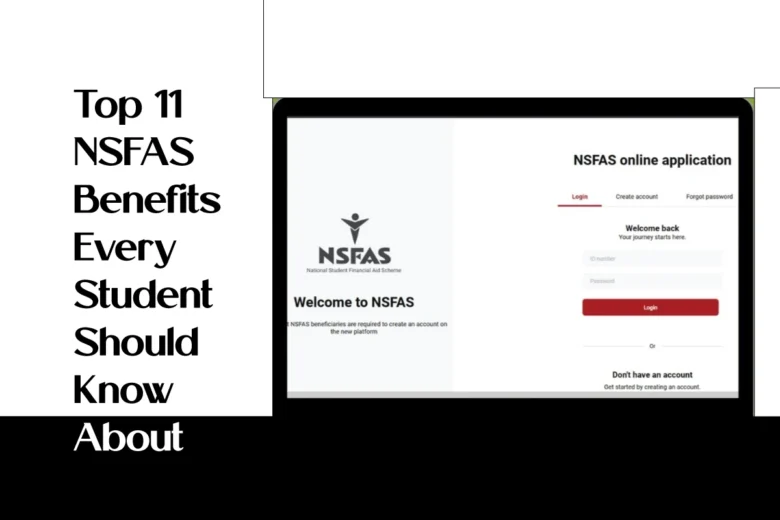
Top 11 NSFAS Benefits Every Student Should Know About
The National Student Financial Aid Scheme (NSFAS) is more than just tuition support. For many South African students from poor and working-class households, NSFAS is the difference between accessing higher education or staying at home due to financial constraints.
This article explains, in clear and practical terms, the top 11 NSFAS benefits, with real-life examples to help you fully understand how each benefit works and why it matters.
What Is NSFAS and Why It Is Important
NSFAS is a government-funded bursary scheme that provides financial assistance to eligible students studying at public universities and TVET colleges in South Africa. The funding is designed to cover most study-related costs so that students can focus on academics instead of financial stress.
You can find more NSFAS guides, updates, and student support articles on Wikihii.
Top 11 NSFAS Benefits Explained in Detail
1. Full Tuition Fee Coverage
NSFAS pays the full tuition cost directly to the institution on behalf of the student. This means students are not required to pay registration or course fees upfront.
Example: If your university course costs R45,000 per year, NSFAS pays that amount directly to the university, allowing you to register without financial barriers.
2. Accommodation Allowance
Students who do not live at home receive accommodation funding. This applies to university residences and private accommodation that is accredited by the institution or NSFAS.
Example: A student staying in an accredited private residence near campus will have their rent paid directly to the landlord, up to the NSFAS accommodation cap.
3. Living Allowance
NSFAS provides a monthly living allowance to help students cover basic personal expenses such as toiletries, data, and small daily needs.
Example: A university student may receive a set amount each month through their NSFAS wallet or direct payment to manage day-to-day expenses.
4. Transport Allowance
Students who live off-campus within a reasonable distance from their institution may qualify for a transport allowance.
Example: A student commuting daily from home to campus may receive transport funding to cover taxi or bus costs.
5. Learning Material Allowance
This allowance supports the purchase of textbooks, stationery, printing, and digital learning resources required for coursework.
Example: At the start of the academic year, students often use this allowance to buy prescribed textbooks or access online learning platforms.
6. Laptop Support
NSFAS provides laptop funding to eligible students to ensure access to online learning, research, and assignment submissions.
Example: A first-year student without a computer may receive a funded laptop or voucher through an approved NSFAS supplier.
7. Registration Fee Payment
NSFAS covers registration fees, which allows students to register for their courses even if they do not have personal funds available.
Example: Instead of paying a R3,000 registration fee upfront, NSFAS settles this cost directly with the institution.
8. TVET College Student Support
Students studying at public TVET colleges receive comprehensive funding that includes tuition, accommodation, transport, and personal care allowances.
Example: A TVET student studying engineering may receive tuition funding plus transport support if they commute daily.
9. NSFAS Is a Bursary, Not a Loan
NSFAS funding does not need to be repaid, provided the student meets academic progression requirements.
Example: A student who passes their modules and progresses each year will not be required to repay NSFAS funding after graduating.
10. Continued Funding for Returning Students
Students who perform academically and register on time can continue receiving NSFAS funding throughout their qualification.
Example: A second-year student who passed first year and remains financially eligible will continue receiving allowances and tuition coverage.
11. Promoting Equal Access to Higher Education
NSFAS helps reduce inequality by giving students from disadvantaged backgrounds a fair chance to access higher education.
Example: Students from rural or low-income households are able to study alongside peers without financial discrimination.
Who Qualifies for NSFAS Benefits
To qualify, applicants must be South African citizens, enrolled or intending to enroll at a public university or TVET college, and meet the household income threshold.
Always confirm current requirements on the official NSFAS website.
Common NSFAS Challenges Students Experience
- Delays in allowance payments
- Incorrect or missing supporting documents
- Unaccredited accommodation issues
- Failure to meet academic progression rules
Most of these issues can be avoided by submitting accurate information and staying updated.
Tips to Get the Most Out of NSFAS Benefits
- Register early each academic year
- Update your contact and banking details regularly
- Use allowances responsibly for academic needs
- Meet academic requirements consistently
Useful NSFAS and Student Resources
- NSFAS Official Website
- South African Government Portal
- NSFAS Allowances and Payments Guide
- Join Wikihii NSFAS WhatsApp Channel
Conclusion
NSFAS remains one of South Africa’s most important education support programmes. By understanding these benefits clearly, students can plan their studies better, avoid funding mistakes, and focus on academic success.
For verified NSFAS updates, guides, and student funding advice, continue reading articles on Wikihii.
You may like this post also: 13 Common Reasons Why NSFAS Applications Get Rejected (And How to Avoid Them)
